


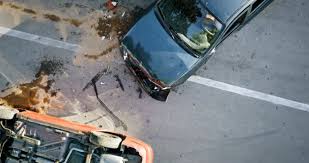
You might be feeling like life split into a “before” and “after” the moment that crash happened. One minute you were driving through Atlanta traffic, maybe thinking about work or dinner plans. The next, you were hearing metal crunch, airbags explode, and your heart pounding so hard it felt like the only sound in the world. Car accident attorney in Atlanta.
Now you are left with pain, bills, insurance calls, and a lot of questions about who is actually responsible and what proof you will need. You may worry that one wrong step could cost you the help you need. That feeling is normal. Atlanta car wreck litigation is confusing even on a good day, and you are trying to understand it while hurting, scared, and exhausted.
Here is the short version. In Atlanta, liability after a wreck depends on detailed rules about fault and evidence. What you do in the hours, days, and weeks after the crash can strengthen or weaken your case. Preserving photos, records, and witness information is not just “helpful.” It can decide whether an insurance company takes you seriously or tries to blame you instead.
So where does that leave you? It means you do not have to understand every law overnight, but you do need to understand the basics of how fault is decided and how to protect the proof that shows what really happened.
How is fault decided after a car wreck in Atlanta?
When people talk about car wreck litigation in Atlanta, they are usually talking about one core question. Who is legally responsible for what happened and for the harm that followed. Georgia uses a “fault” system with modified comparative negligence. That sounds technical, but the idea is simple. Each driver can be assigned a percentage of fault, and your ability to recover money depends on that number.
If you are 50 percent or more at fault, you cannot recover from the other driver. If you are less than 50 percent at fault, your compensation is reduced by your share of fault. Because of this, insurance companies work very hard to increase your percentage and lower their own. They look for anything they can use. A careless phrase in a recorded statement. A missing witness. A photo that was never taken.
Imagine two drivers at a busy Atlanta intersection. The light turns yellow. One driver speeds up and enters the intersection. The other makes a left turn without a clear view. They collide. Each one tells a different story. One says, “I had the green.” The other says, “They were speeding.” Without solid evidence, the insurance adjusters might split the blame right down the middle, or worse, pin most of it on you.
Now compare that to the same crash, but this time one driver takes photos of the skid marks, the damage, the light sequence, and gets contact information for two witnesses. The police report notes that the other driver admitted they were in a hurry. Suddenly the picture looks different. The facts are not just “your word against theirs.” This is where evidence preservation changes everything.
Why does evidence matter so much in Atlanta car accident claims?
In an Atlanta car accident claim, facts fade fast. Witnesses forget. Skid marks wash away in the next storm. Surveillance video is recorded over. Even your own memory can blur as the pain and stress drag on. Because of this, the law and the courts put a lot of weight on what can be documented and preserved.
Georgia’s crash reporting and driver responsibility rules, outlined by the Department of Driver Services, show how seriously the state treats collisions. You can see those rules and thresholds in the official crash guidance from the Georgia DDS at this state crash resource. Those rules affect when police get involved, when reports are filed, and what records exist for your lawyer to use.
You might be thinking, “But the officer came, took a report, and said the other driver was at fault. Isn’t that enough?” Unfortunately, not always. A police report is important, but it is not the final word. Insurance companies challenge reports all the time. They hire experts, review manuals like the Georgia crash investigation guidance available from NHTSA at this crash manual, and try to reinterpret what happened.
Here is where the emotional and financial strain really kicks in. While you are juggling doctor visits and missed work, the other side may already be building their defense. If they succeed in shifting blame, you could end up paying out of pocket for injuries and damage you did not cause. That is not just frustrating. It can be life changing.
So how do you protect yourself in a system that feels stacked against you. You focus on two things. Liability determination and evidence preservation. In plain terms, that means understanding how fault is assigned and making sure the proof that supports you does not disappear.
Should you handle liability and evidence on your own or get help?
Many people wonder if they should try to manage a car accident liability claim on their own. They worry about the cost of a personal injury lawyer, or they feel guilty about “making a big deal” out of the crash. At the same time, they are afraid of being taken advantage of. That tension is real.
To give you a clearer picture, here is a comparison of trying to handle an Atlanta wreck claim yourself versus working with an experienced personal injury lawyer.
| Issue | Handling It Yourself | Working With a Personal Injury Lawyer |
|---|---|---|
| Understanding liability rules | Rely on online research and what the adjuster tells you. Risk of missing how comparative fault really works. | Lawyer applies Georgia law and prior cases to push back when insurers overstate your fault. |
| Evidence preservation | You gather what you think is helpful. Risk of missing key items like black box data or video. | Lawyer sends preservation letters, requests records, and knows what evidence courts take seriously. |
| Dealing with insurers | You respond to calls and recorded statements while injured and stressed. Easy to say things that get twisted. | Lawyer handles communications, filters questions, and protects you from traps. |
| Valuing your case | May focus on immediate bills and ignore future care, lost earning power, or long term pain. | Lawyer looks at medical opinions, future needs, and similar cases to push for fair value. |
| Time and stress | Manage paperwork, deadlines, and negotiations on top of healing and daily life. | Lawyer manages the legal load so you can focus on medical recovery. |
This is not about “can” you do it on your own. Many people can. The real question is whether you should have to, while you are in pain and under pressure.
What immediate steps can you take to protect your Atlanta car wreck claim?
You may not be able to go back to the scene or change what was recorded in the police report, but there is still a lot you can do right now to protect your rights and strengthen your position in any car accident injury claim.
1. Gather and organize every piece of evidence you already have
Start with what is in your hands. Photos, videos, text messages, repair estimates, medical records, and any communication with insurance companies. Put these in one place. A physical folder or a digital folder on your phone or computer.
Write down your memories of the crash while they are still fresh. Include details like weather, traffic, statements the other driver made, and how you felt immediately after. This written record can be very powerful months later when memories blur.
2. Protect your medical story
See a doctor if you have not already, even if you think your injuries are “not that bad.” Many injuries from wrecks, such as soft tissue damage or concussions, show up fully only after a few days. Medical records create a timeline that connects the crash to your pain. Without that timeline, insurers often argue that your problems came from something else.
Follow through on treatment plans and keep notes about how your injuries affect daily life. Difficulty sleeping, missing work, trouble caring for children, or giving up activities you used to enjoy all matter. These details show the true impact of the wreck on your quality of life.
3. Talk with an experienced personal injury lawyer early
You do not have to wait until things “get bad” to reach out for legal guidance. In fact, early advice can prevent problems that are hard to fix later. A lawyer who focuses on personal injury work in Georgia can review your evidence, explain how liability might be assigned, and help you avoid missteps with insurance adjusters.
Most personal injury lawyers work on a contingency fee. That means you do not pay upfront, and they are paid from a percentage of any recovery, not from your pocket at the start. Even a brief consultation can calm your mind and help you see the road ahead more clearly.
Finding your footing after an Atlanta car wreck
Right now, you may feel like everything is moving at once. Medical appointments. Car repairs. Insurance questions. Pain that comes and goes. Underneath all of that is a simple human need. You want to be treated fairly. You want the truth about what happened to matter.
Liability determination and evidence preservation are not abstract legal ideas. They are the tools that can turn your story from “just another claim” into a clear, documented account of how you were hurt and why you deserve to be made whole. You do not have to carry that alone.
If you feel unsure about your next step, reach out to a trusted personal injury lawyer who understands Atlanta car wreck litigation and can walk beside you. With the right support, you can move from confusion and worry toward clarity and a plan for what comes next.