


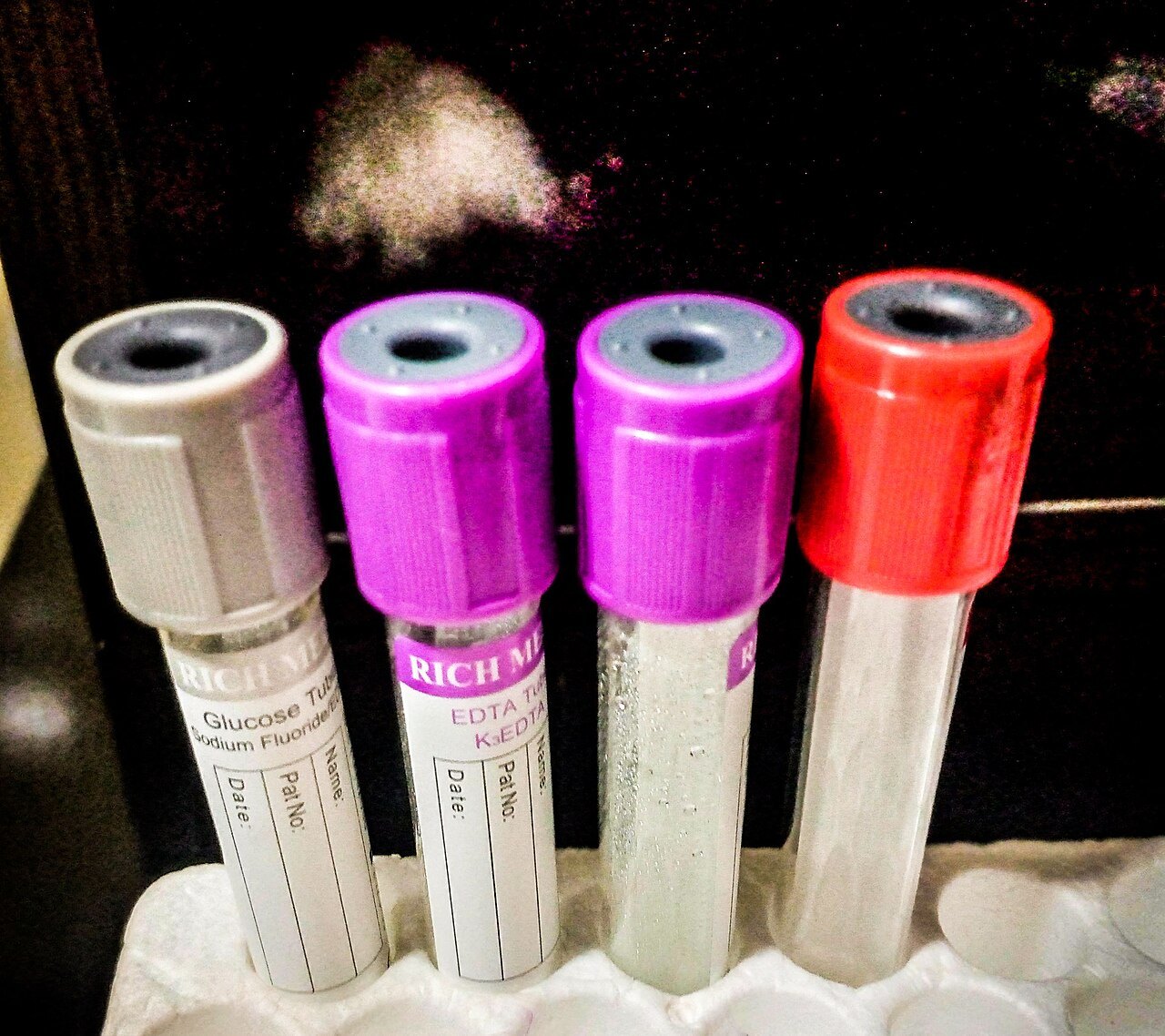
The most valuable diagnosis is the one that arrives before the damage. For Crohn’s disease and ulcerative colitis, the inflammatory bowel diseases that can scar the digestive tract for years before they are named, that has rarely been possible. Now scientists who studied stored blood samples from people who later developed these conditions report something remarkable: detectable signals in the blood up to a decade before diagnosis.
The research analysed proteins and inflammatory markers in samples collected during routine care from people who were, at the time, apparently healthy. Comparing those who later developed inflammatory bowel disease with those who did not, the team found patterns that separated the groups years in advance, long before symptoms would have sent anyone to a specialist.
Why a Decade of Warning Matters
Crohn’s and ulcerative colitis are typically diagnosed after symptoms force the issue: pain, bleeding, weight loss, and often irreversible bowel damage already done. Treatment then becomes damage management. A ten-year warning flips the model entirely. Patients identified early could be monitored with simple stool tests and scans, treated at the first sign of inflammation, and potentially spared the strictures, surgeries and hospitalisations that define advanced disease. The Crohn’s & Colitis Foundation has long identified pre-clinical detection as one of the field’s defining goals.
From Research Signal to Clinic Test
Between a journal finding and a bookable blood test lies a long road: larger validation cohorts, standardised assays, and hard questions about whom to screen. Testing everyone would generate false alarms, so the realistic first market is people at elevated risk, such as those with a close relative with the disease, where a positive result justifies surveillance rather than anxiety. Researchers involved in this field, whose work is catalogued by the National Institute of Diabetes and Digestive and Kidney Diseases, stress that prediction must be paired with interventions proven to change outcomes.
What Patients Should Take From This
No one should order a test that does not yet exist, and unexplained digestive symptoms still deserve prompt, conventional workup today. But the direction of travel is unmistakable: inflammatory bowel disease is joining the list of conditions medicine hopes to intercept rather than chase. Our health desk will follow the validation studies as they publish.
For the roughly one in a hundred people who will develop these diseases, a decade of warning could be the difference between a condition managed early and a life reorganised around it. That is what makes a few proteins in an old blood sample such big news.
The Economics of Early
There is a financial argument shadowing the medical one. Late-diagnosed inflammatory bowel disease is among the most expensive chronic conditions to manage: biologic drugs, repeated imaging, hospitalisations and surgeries accumulate over decades, and much of that spending addresses damage that earlier intervention might have prevented. Health economists who model early-detection programmes in other diseases find that prediction pays for itself when it converts even a fraction of late diagnoses into early, milder ones. IBD may be an unusually strong candidate, because the gap between early, easily controlled disease and late, surgical disease is so wide. The test, if validated, would not just save suffering; it would likely save systems money, which is often what finally moves a discovery from journals into clinics.
For families with IBD in their history, the research carries a more personal charge. A test that could tell a healthy teenager they carry the disease’s early signature would change decisions about monitoring, diet research participation and clinical trial enrollment years before symptoms force the question. That future is not here yet, but for the first time it has a plausible shape.
