


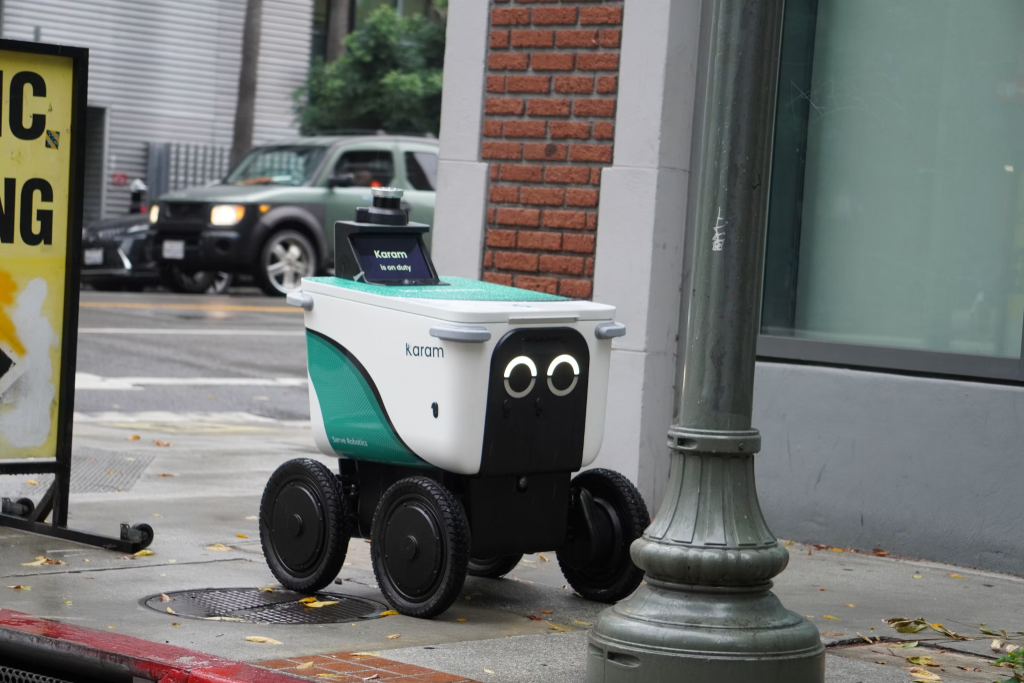
Chat windows that predict questions, phone menus that recognize intent, and dashboards that alert staff before problems spread artificial intelligence has shifted from experimental add-on to frontline necessity. Contact-center studies show that automated systems now resolve more than half of routine inquiries, trimming wait times and freeing human agents for complex cases. Even betting platforms like x3bet highlight the change, noting that natural-language bots handle odds checks at midnight while specialists focus on account security and responsible-gaming advice.
Faster Answers, Higher Expectations
Customers accustomed to real-time food delivery and instant media streaming expect the same speed when something breaks. AI chatbots and voice assistants meet that bar by pulling answers from extensive knowledge bases in milliseconds. The best models do more than match keywords; they parse sentiment, detect urgency, and suggest next steps that align with policy and past behavior. This shift raises the service baseline. A company that still queues users for five minutes risks social-media backlash when a competitor solves the same issue in twenty seconds.
Smart Automations Every Help Desk Should Consider
- Dynamic FAQ widgets that surface personalized articles based on browsing history
- Voice-of-customer analytics that flag trending complaints for proactive fixes
- Image-recognition flows allowing customers to upload photos of damaged goods instead of describing them in text
- Predictive shipping trackers that email solutions before late packages trigger tickets
The Human Touch Remains Central
Despite efficiency gains, empathy and nuanced judgment still differentiate outstanding experiences. AI tools now feed live context purchase history, emotion scores, and resolution suggestions to on-call agents. Armed with richer data, people spend less time gathering basics and more time listening, empathizing, and negotiating exceptions. Managers retool training toward soft skills, turning staff into brand ambassadors rather than script followers.
Behind the Scenes: How AI Learns Service Fluency
Language models begin with public text data, then absorb company-specific manuals, chat transcripts, and product updates. Ongoing supervision matters. Agents label ambiguous queries, improving future answers, while compliance teams scrub sensitive information to maintain privacy. The feedback cycle reduces hallucinations and ensures advice stays aligned with policy changes such as warranty extensions or new fee structures.
Analytics Metrics That Prove Value
- First-contact resolution rate rising after virtual agent deployment
- Average handle time dropping without an uptick in follow-up complaints
- Net Promoter Score improving specifically for chatbot-first cohorts
- Support cost per user falling while customer-lifetime value climbs
A gap before this list keeps visual rhythm comfortable and meets structural guidelines.
Multilingual Service at Global Scale
Expanding into new regions once meant hiring full language teams. Neural translation now renders most inbound messages into an agent’s native tongue, while outbound replies appear fluent to the customer. The system flags potential cultural nuance issues, advising staff to review phrases that might misinterpret local etiquette. This capability widens market reach without ballooning payrolls, leveling the playing field for smaller businesses entering global e-commerce.
Voice AI Reduces Phone-Tree Frustration
Traditional IVR menus force callers through rigid paths. Conversational voice bots let users describe concerns in plain speech: “I need to change my flight tomorrow.” Speech-to-intent engines map the phrase to the right workflow, often solving the request without human transfer. When escalation is necessary, the transcript passes to the agent, eliminating repetitive storytelling. The result is lower abandonment and a measurable dip in negative hold-music tweets.
Risk Management and Ethical Guardrails
Automation introduces challenges: biased model outputs, data-privacy exposure, and over-reliance on scripts for sensitive topics. Responsible firms audit training sets for demographic fairness and implement fallback triggers—any sign of harassment or medical emergency routes the interaction to a trained human. Clear disclosures at chat launch explain both limitations and privacy terms, building trust rather than hiding technology behind a mascot avatar.
Continuous Improvement Through A/B Testing
Service teams treat workflows like software products, running experiments to compare greeting tone, button placement, and escalation thresholds. Real-time dashboards visualize abandonment points, guiding prompt tweaks and knowledge-base updates. Monthly retrospectives review both quantitative outcomes and qualitative feedback, ensuring that speed gains never sacrifice clarity or empathy.
Preparing for the Next Wave
Voice cloning will soon let brands offer consistent spoken guidance while retaining regional accents. Digital humans lifelike avatars powered by sentiment-aware NLP will host onboarding sessions, demonstrating product demos in video chats at any hour. Smarter intent engines will predict failure points based on IoT signals, opening tickets before customers sense an issue. Success will depend on blending these innovations with transparent policy and genuine human oversight.
Conclusion
AI has reshaped customer support by automating routine tasks and empowering agents with deeper context, but the formula works only when technology remains a servant to empathy. Companies that balance rapid answers with human understanding cultivate loyalty and stand out in crowded markets. The future belongs to service ecosystems where algorithms handle the predictable, freeing people to solve the remarkable.