


America’s measles file has a new entry this week. Confirmed cases rose by 8 per cent in seven days to a national total of 4,410, according to federal surveillance data, continuing a resurgence in a disease the United States declared eliminated in 2000. Investigating the number reveals a more specific story than the headline suggests: transmission is concentrated in known clusters, the overwhelming majority of patients lack vaccination, and health agencies are deploying a containment method with a long record of success.
Tracking the drivers leads to three sources. First, measles remains common internationally, and air travel imports it steadily. Second, vaccination coverage has thinned in particular communities, worn down by pandemic-era missed appointments and by misinformation that survives every correction. Third, the virus itself is formidably contagious, spreading through air that remains infectious after the patient has gone. Where an imported case meets a pocket of low coverage, a cluster follows with near-mechanical reliability.
Identifying the illness early
The clinical trail begins with fever, cough, a runny nose and inflamed, light-sensitive eyes, a presentation easily mistaken for influenza in its first days. Small white spots inside the cheeks can provide an early clue, before the unmistakable blotchy rash spreads from the face across the body. The complication list explains the official urgency: ear infections and pneumonia are relatively common, hospitalisation affects a substantial minority of unvaccinated patients, and rare brain complications can follow the illness by years as well as days.
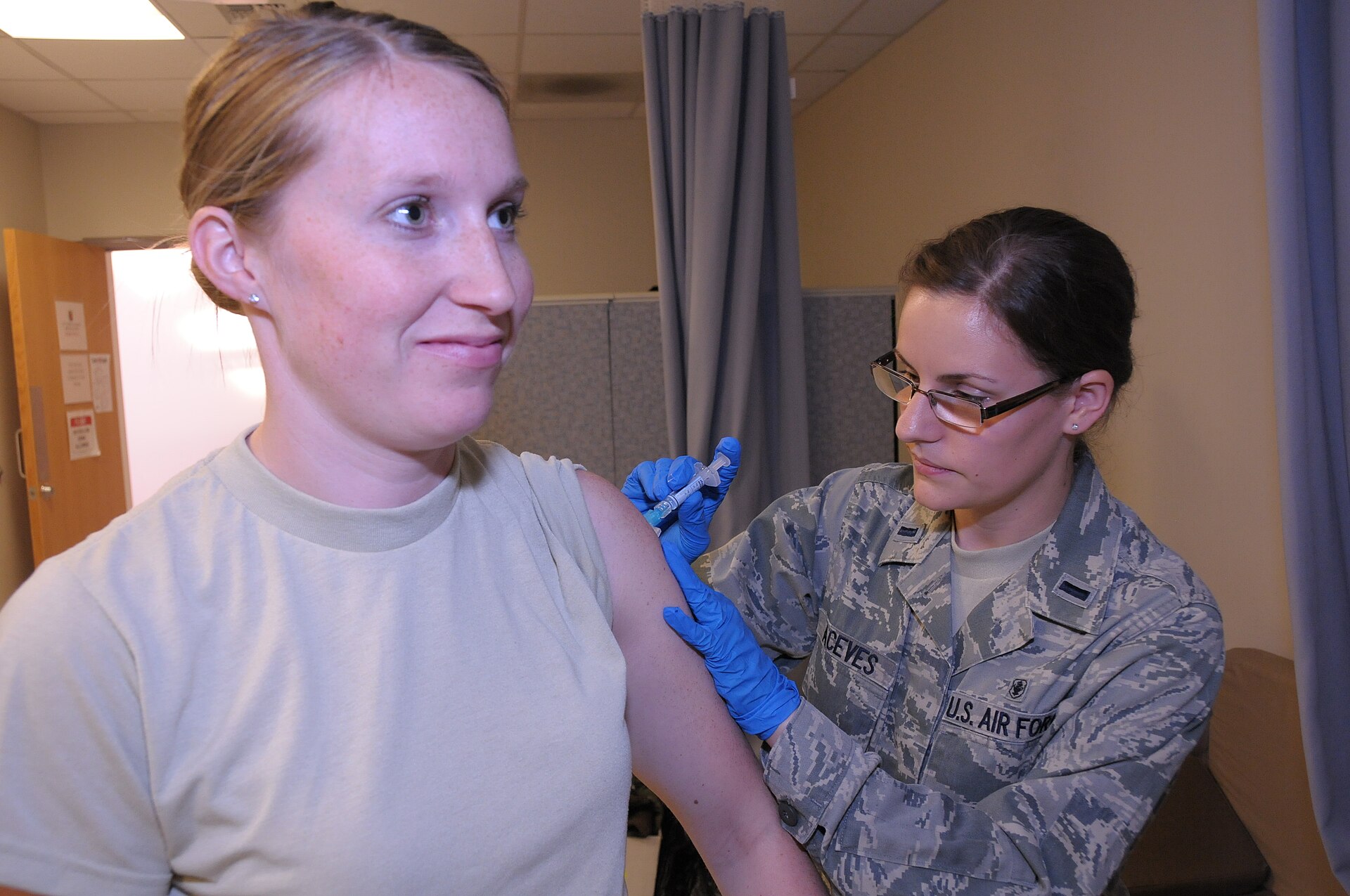
The preventive evidence is not in dispute. The CDC measles resource states that two MMR doses protect about 97 per cent of recipients, that anyone unsure of their status should check records and vaccinate if needed, and that exposed people may still be helped by prompt post-exposure treatment. Suspected cases are asked to telephone ahead before attending a clinic, so that one patient’s diagnosis does not become a waiting room’s exposure. Before international travel, officials advise verifying the whole family’s status with time to spare.
Proportion, checked against history
Historical perspective is the investigator’s friend here. Before vaccination, measles infected millions of Americans annually and killed hundreds; the current total, while climbing too fast, belongs to a different category of problem, one created by gaps in specific places rather than by any failure of the vaccine itself. The response now running in affected areas, targeted clinics, contact tracing and temporary school exclusions for the exposed and unvaccinated, has closed clusters like these repeatedly. Our own reporting on vaccine research, including a personalised ovarian vaccine trial, keeps returning to the same evidence: immunisation is the rare intervention whose success is measured in events that never occur.
One more strand of the investigation concerns records. Health departments repeatedly find that a share of supposedly unvaccinated patients were in fact vaccinated, with the dose recorded in another state, another system or a paper file that never reached the registry. Cleaning up those records does not change anyone’s immunity, but it sharpens the map of where genuine risk sits, and it spares families unnecessary alarm during a local investigation.
Communication specialists embedded with the response make a related observation about language. Describing the situation accurately, a rising but localised problem with a known solution, produces more vaccination appointments than either minimising the figures or dramatising them. Parents respond to being treated as decision-makers with records to check and clinics to visit, not as an audience for alarm. The measured tone of the official statements this week is therefore not complacency; it is strategy, and the historical record suggests it is the right one.
The weekly figure deserves one final note of method. Surveillance totals arrive with delays, so part of an 8 per cent jump can reflect older cases being confirmed in the same reporting cycle. Officials read trends across several weeks, and the public is better served doing likewise. The actionable conclusion is undramatic, which is precisely its strength: confirm your vaccinations, learn the early signs, and treat the rise to 4,410 as an instruction to close known gaps now, while closing them is still easy.
