


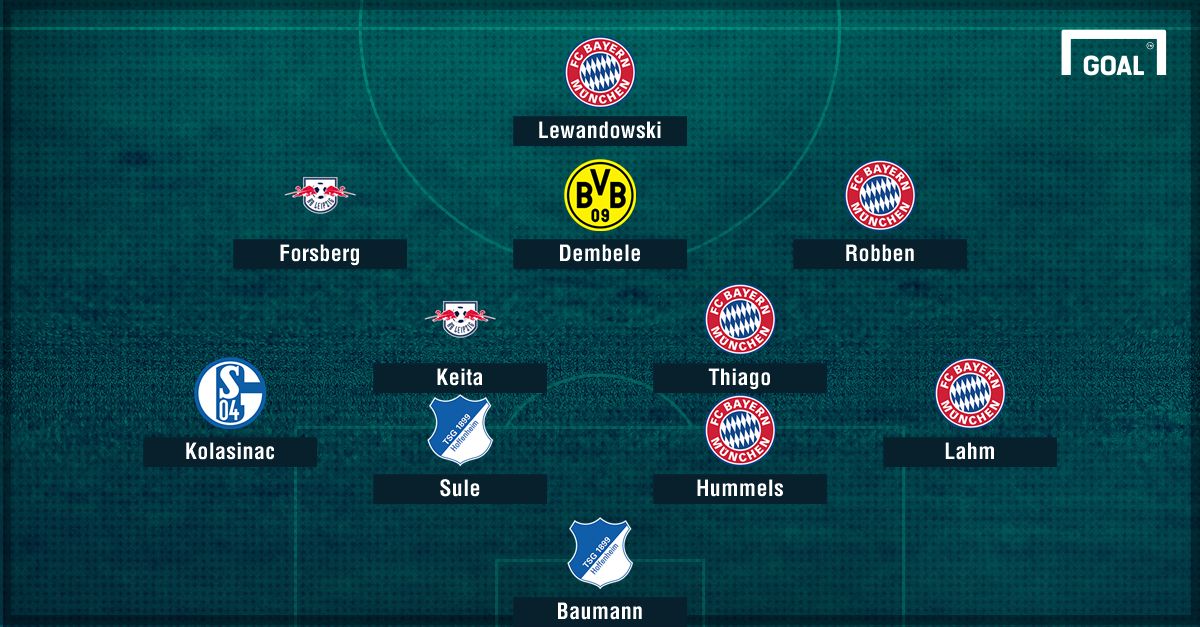
In the 2016–17 Bundesliga season, some teams were naturally suited to being backed when giving a handicap, while others quietly delivered value when receiving a goal start. By comparing final standings, goal records and consistency, you can see which clubs made more sense to support as the stronger side and which were better treated as handicapped underdogs.
What “Backing the Favourite” and “Backing the Underdog” Really Mean
When bettors talk about “playing the favourite,” they usually mean supporting the stronger team either on the match result or with a negative handicap, expecting a win by more than one goal. In 2016–17, Bayern, Leipzig, Dortmund and Hoffenheim frequently occupied this role because they finished first to fourth and combined strong points totals with positive goal differences. Conversely, “playing the underdog” often involved taking lower‑ or mid‑table teams with a goal start, assuming they could keep games close or spring occasional surprises, which depended heavily on their defensive structure and home form rather than on raw league position.
Teams Naturally Suited to Being Backed as Favourites
Bayern Munich were the clearest example of a team structurally suited to being backed as favourites: they finished with a 25‑7‑2 record and a +67 goal difference, scoring 89 and conceding only 22, which reflects sustained dominance across the campaign. RB Leipzig, Borussia Dortmund and Hoffenheim also produced strong records—20‑7‑7, 18‑10‑6 and 16‑14‑4 respectively—each with positive goal differences over +25, indicating they regularly created enough chances and limited enough shots to justify being on the “minus” side of handicaps in many fixtures. For bettors, the key cause–effect pattern is that teams with high win counts and large positive goal differences are more likely to cover modest negative lines, especially at home, because their performance gap over opponents often translates into multi‑goal wins rather than narrow edges.
When Big Teams Become Risky to Back on the Handicap
Even within the top four, there were reasons for caution when considering heavy handicaps. Bayern’s dominance often led to extremely short prices, meaning the market already anticipated big wins and left little margin for error if they rotated, managed energy in tight schedules or eased off after taking the lead. Dortmund’s +32 goal difference (72–40) reveals an attack capable of blowing opponents away but a defence that conceded far more than Bayern’s, which occasionally turned comfortable-looking fixtures into open, high‑variance games where a –1.5 line could be lost by a late goal against. The impact for bettors is that even strong favourites are not automatic “play on” sides in every match; you must align the size of the handicap with both their attacking edge and their defensive reliability to avoid paying for an image rather than for true probability.
Mid‑Table Sides Better Treated as Underdogs
The middle of the 2016–17 table was packed with clubs whose records and goal differences suggest they were often better approached from the underdog side of handicaps. Teams like Hertha, Köln and Frankfurt finished with points totals in the 40s and modest positive or small negative goal differences, indicating competitive but not dominant performances. Freiburg’s seventh‑place finish with a –18 goal difference is especially notable: their ability to collect points despite being outscored suggests many tight wins and heavier losses, hinting that backing them as underdogs in level or +0.5 lines could be more sensible than trusting them to clear big negative spreads. For bettors, this pattern means mid‑table clubs with mixed goal figures are often more comfortable keeping matches close than blowing teams away, making them attractive when getting a head start rather than when asked to win by margin.
Comparing Typical “Favourite” and “Underdog” Profiles
You can condense these tendencies into archetypes that map directly onto betting roles.
| Profile Type | 2016–17 Examples | Typical Betting Role | Rationale |
| Dominant powerhouse | Bayern Munich | Lay goals as favourite (carefully) | High win rate, big GD, low concessions |
| Strong challenger | RB Leipzig, Dortmund, Hoffenheim | Often playable on small negatives | Positive GD, frequent multi‑goal wins |
| Compact mid‑table side | Hertha, Köln, Frankfurt | More appealing with +handicaps | Many tight games, limited dominance |
| Volatile overachiever | Freiburg | Situational underdog, avoid big minus | Results outpace goal metrics |
Each row shows a mechanism: powerhouses combine high win rates with goal margins; challengers benefit from stylistic advantages but carry some volatility; compact mid‑table teams keep margins small; volatile overachievers can win but are poor candidates for large spreads. Applying these patterns helps decide whether a team is “play on” when giving goals or when receiving them.
Integrating UFABET into Favourite/Underdog Decisions
Once you decide which teams fit favourite or underdog roles, you still need a controlled way to turn those ideas into actual bets. If a bettor uses UFABET to engage with Bundesliga markets, the most analytical approach is to use that betting destination as a logbook for favourite/underdog hypotheses: before each matchday they can list fixtures where a top side is laying a handicap or a mid‑table club is receiving one, note whether the role fits that team’s 2016–17‑type profile, and then compare their own probability estimates with the odds on offer. Over time, that record of bets placed and results achieved through ufabet168 can reveal whether they systematically overtrust big names when giving goals or undervalue disciplined underdogs when getting a start, allowing them to refine which teams they are genuinely “play on” in each role.
How Relegation Candidates Fit into Underdog Thinking
At the bottom of the table, clubs like Ingolstadt and Darmstadt finished with low points and heavily negative goal differences, demonstrating that they struggled both to score and to keep opponents out. While handicaps occasionally gave them large head starts, their structural weaknesses meant they were often unable to protect those advantages, leading to matches where favourites still won by multiple goals despite the spread. In practical terms, this is why not all underdogs are created equal: some mid‑table sides with solid organisation can be trusted on +1 or +1.5 lines, whereas chronic strugglers may only justify small stakes in very specific circumstances, such as at home against equally weak opposition.
where casino online Sits Compared to Handicap Roles
Thinking in terms of “play on as favourite” or “play on as underdog” reflects a structured use of statistics and roles that can be tested over an entire season like 2016–17. In a casino online environment, by contrast, there is no equivalent concept of team identity or handicapped role; house‑edge games are governed by fixed probabilities that do not respond to form or table position. For bettors who enjoy both football and casino play, it is important not to import the confidence gained from correctly reading favourites and underdogs into assumptions about beating a casino online website in the long run, since the mechanisms of advantage differ entirely and success in one domain does not transfer automatically to the other.
A Simple Checklist Before You “Play On” or “Take the Start”
To make decisions more precise, you can run through a short checklist whenever you consider backing a team to give or receive goals, using 2016–17 patterns as your reference model. The goal is to connect role (favourite vs underdog) with real performance traits, not just with names and reputations.
Before backing a team as a favourite on the handicap, ask:
- Does their goal difference and win profile support regular multi‑goal victories, or are they mainly winning narrowly?
- Is the opponent prone to heavy defeats, or do they usually keep games close even when losing?
- Are there schedule or rotation factors that might reduce the favourite’s intensity or risk tolerance?
Before backing a team as an underdog with a start, ask:
- Do they have a history of competitive losses, draws and narrow wins against similar or stronger opponents?
- Is their defensive structure sound enough to hold a line for most of the game, or do they collapse late under pressure?
- Have markets overreacted to short‑term bad results, inflating the handicap beyond what long‑term performance warrants?
Running through these questions for 2016–17 fixtures retrospectively reveals how often roles aligned with reality. Over time, applying the same logic to current seasons helps you classify teams more accurately as “play on laying goals” or “play on getting them,” instead of treating favourites and underdogs as purely emotional labels.
Summary
For bettors examining the 2016–17 Bundesliga, the most sensible “teams to back as favourites” were those whose records and goal differences indicated regular, controlled wins—Bayern at the top and challengers like Leipzig, Dortmund and Hoffenheim behind them—while the most appealing “teams to back as underdogs” were compact mid‑table sides whose performances kept margins tight but rarely justified large negative spreads. When you map clubs into these roles, test that mapping against handicaps, and separate this structured approach from unrelated gambling contexts, you move from vague impressions about big and small teams to a practical, role‑based method for deciding when to lay goals and when to take them.
