


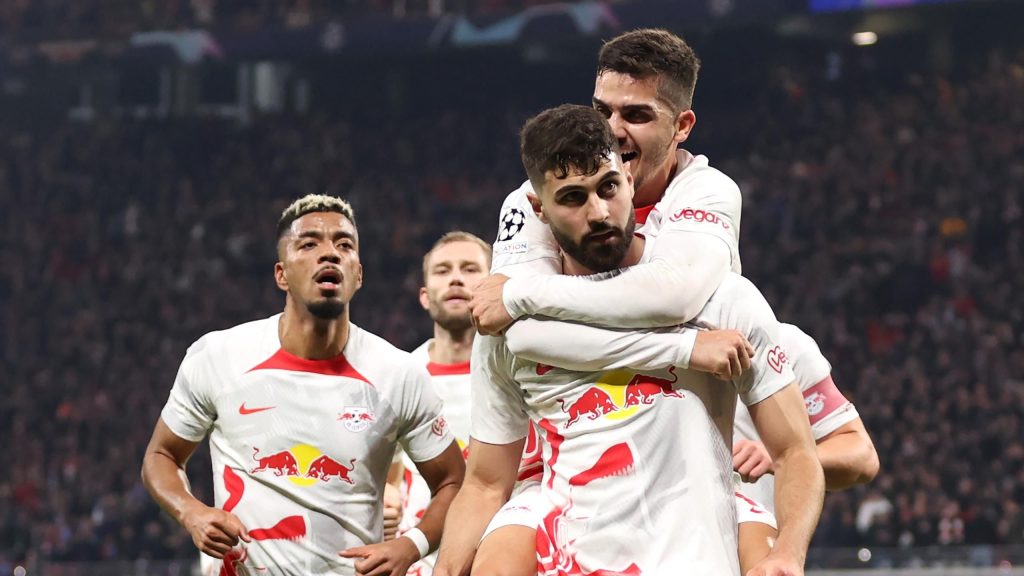
In high-profile 2022/23 Bundesliga fixtures, odds were shaped as much by reputation and narrative as by underlying numbers, which led to recurring pockets of overpricing on certain sides and lines. Title-race showdowns, Der Klassiker, and meetings among Champions League contenders routinely carried inflated expectations for favourites and goal totals, creating an environment where disciplined value hunters could act against the crowd.
Why big Bundesliga games are prone to overpricing
High-visibility fixtures draw more casual money than typical league matches, and this extra flow tends to flock toward big brands, big names, and simple storylines. When a side like Bayern enters a season as a heavy favourite for an 11th straight title, outright markets and match odds naturally anchor around their dominance, often before new-season performance data can justify those prices. In practice, this means that headline fixtures against Dortmund, Leipzig, or in-form challengers often started with a built‑in bias toward the established giant.
The same phenomenon affects totals and both‑teams‑to‑score lines. If a rivalry has a history of high-scoring encounters, markets will sometimes overweight that historical memory, shading lines upward on the assumption that “it always explodes,” even when current tactical trends or personnel changes point toward a more restrained contest. The cause–effect chain runs from narrative to public betting flows to prices, not necessarily from data to prices.
How “big match” status distorted expectations in 2022/23
The Bundesliga’s own description of the 2022/23 calendar highlights Der Klassiker, RB Leipzig vs Bayern, and Dortmund vs Leipzig as marquee events long before a ball was kicked. Preview pieces emphasised the goal-heavy history between these sides, such as the 38 goals scored in the previous 10 league meetings between Leipzig and Dortmund, which primed observers to expect another attacking spectacle regardless of evolving squad realities. That expectation fed directly into the way markets leaned toward short prices on overs and favourite-heavy result lines.
Season previews and outright tips reinforced this framing. Commentary focusing on Bayern’s attacking firepower and historical dominance reduced perceived uncertainty around their big matches, encouraging tighter odds on their side of the 1X2 and aggressive goal lines. For bettors willing to challenge these assumptions with form and xG data, the very fact that a game was labelled a “key fixture” became a signal that public opinion might be out in front of the evidence.
Mechanisms that create overpricing in big-game odds
Overpricing usually emerges from a combination of status, psychological anchoring, and liquidity distribution. Status drives bettors toward historically dominant clubs, leading bookmakers to shorten those odds to balance liabilities even if their internal models suggest slightly longer “true” prices. Anchoring occurs when markets rely on past head-to-head results or prior-season table positions instead of current-season performance metrics, effectively lagging reality.
Liquidity then amplifies the effect: big matches attract more volume, so any bias scales up and becomes more visible in closing lines. A preview for Dortmund vs Bayern in later seasons illustrates how this works: with Bayern framed as strong favourites and over 2.5 goals treated as almost a default outcome, the odds incorporate a premium on the widely held expectation that “Bayern win, and there are goals.” Even if that specific example belongs to a later campaign, it mirrors the pricing psychology that also operated around 2022/23 flagship fixtures.
Examples of match types where prices were often too high
Rather than isolating single games, it is more useful to look at patterns of big-match types where prices tended to overshoot. Three recurring scenarios stood out in the 2022/23 context and surrounding commentary:
- Title-tilting clashes where Bayern were installed as clearly superior despite opponents’ improving underlying metrics and narrowing performance gaps.
- High-profile rivalries with a reputation for goals, where overs and both‑teams‑to‑score appeared heavily shaded based on historical scorelines.
- Matches featuring resurgent challengers (for example, Dortmund or Leipzig runs of form) where recency bias pumped up their prices against solid, tactically disciplined opposition.
In each case, the “big match” label pushed markets toward extreme expectations—dominant favourites, inevitable fireworks, or unstoppable momentum—while the actual league table and statistical footprint remained more balanced. This gap between perception and underlying reality is precisely where value-based strategies look for opportunities.
Comparing market narratives with underlying data
To identify overpricing, a value-focused bettor benchmarks market narratives against current-season statistical signals. For instance, if a preview emphasises Bayern’s goal-scoring prowess and frames Dortmund as underperforming, but xG models and performance stats show Dortmund generating a league-average or better attacking threat, the implied dominance in the odds may be exaggerated. Similarly, if head-to-head history highlights high scores, yet both teams have recently shifted toward more compact defensive approaches, a high totals line can be quietly misaligned with present reality.
Season previews from analytic outlets stress the importance of watching for structural changes—new coaches, tactical shifts, squad turnover—rather than assuming continuity. When markets fail to fully price in these shifts for non-marquee teams but overreact to them for big brands, the result is a lopsided view in which certain big fixtures look more one-sided or explosive than the data supports. The cause–effect chain runs from incomplete information processing to skewed implied probabilities.
Conditional scenarios where big-match prices drift away from fair value
Several conditional setups made mispricing more likely in 2022/23-style contexts.
- If a star-studded favourite entered a big game after an eye-catching win, markets often over-updated on that single result, shortening their price and inflating totals.
- If a rival had suffered a high-profile setback in Europe, odds sometimes underpriced their ability to respond domestically, especially when deeper squad metrics remained strong.
- When narratives framed rivalries as historically one-sided, markets could underweight signs of convergence in squad quality and tactical sophistication.
In all three situations, careful reading of season-long numbers and tactical reports offered a counterweight to the stories embedded in the odds.
How value-based bettors exploited these 2022/23 big-match tendencies
Value-based betting treats odds as hypotheses to be tested, not truths to be accepted. During the 2022/23 Bundesliga campaign, this meant looking at high-profile games and asking whether the implied win probabilities and goal expectations genuinely reflected both sides’ current capabilities. When models suggested a closer contest than the market implied, some bettors targeted plus-handicap lines, draw outcomes, or contrarian totals positions rather than chasing the crowd.
One common pattern involved backing challengers on the Asian handicap when Bayern or another established power were priced as if their peak form and historical dominance were a given, despite evidence of increased parity. Another involved leaning toward moderate totals in games hyped for goal avalanches, especially when recent tactical shifts pointed toward more control and less chaos. The impact of this approach was a portfolio less exposed to narrative-driven volatility and more anchored in numbers.
Applying these insights within a structured online betting environment
Operationalising this kind of edge requires a setting where pre‑match analysis can be turned into specific positions on sides, totals, and derivatives across the Bundesliga schedule. When a bettor builds a watchlist of potentially overpriced big matches—where favourites look too short or totals too high relative to statistical indicators—they need an interface that lets them selectively stake on those edges rather than spreading action indiscriminately. In that context, some users treat ยูฟ่า168 วีไอพี as a web-based service where they can concentrate big-match value plays into tailored markets—Asian handicaps, alternative lines, or cautiously chosen under positions—while tracking how odds move as public money reacts to headlines and hype.
Interaction between big-match mispricing and broader betting ecosystems
Mispriced big fixtures do not exist in isolation; they sit inside larger ecosystems where football betting coexists with other forms of wagering. When a bettor uses a casino online website that blends live casino products with sports markets, there is a constant risk that carefully identified value opportunities in marquee Bundesliga games will be overshadowed by impulse-driven bets elsewhere on the site. This can dilute the discipline required to consistently challenge overhyped narratives and exploit misaligned odds.
A practical way to manage this interaction is to segregate capital and attention: treating big-match value betting as a distinct strategy with its own staking rules and performance tracking, independent of any other activity hosted on the same domain. Doing so keeps the focus on whether the method—identifying and opposing overpriced favourites or inflated totals in high-profile 2022/23-type fixtures—actually delivers a long-term edge, instead of being lost in the noise of unrelated outcomes.
Summary
Bundesliga big matches in 2022/23 were fertile ground for overpricing because markets leaned heavily on status, rivalry narratives, and historical scorelines, often granting favourites and high-goal expectations more certainty than the data justified. By contrasting these stories with current-season metrics, tactical changes, and performance trends, value-based bettors could identify fixtures where odds on dominant sides or inflated totals ran ahead of realistic probabilities. Treating these high-visibility misalignments as targeted opportunities—rather than automatic invitations to bet—turned the emotional noise of the biggest Bundesliga games into a structured, logic-driven hunting ground for value.